
Are Zirconia Dental Implants Better for Metal Allergies? (St. Cloud Guide)
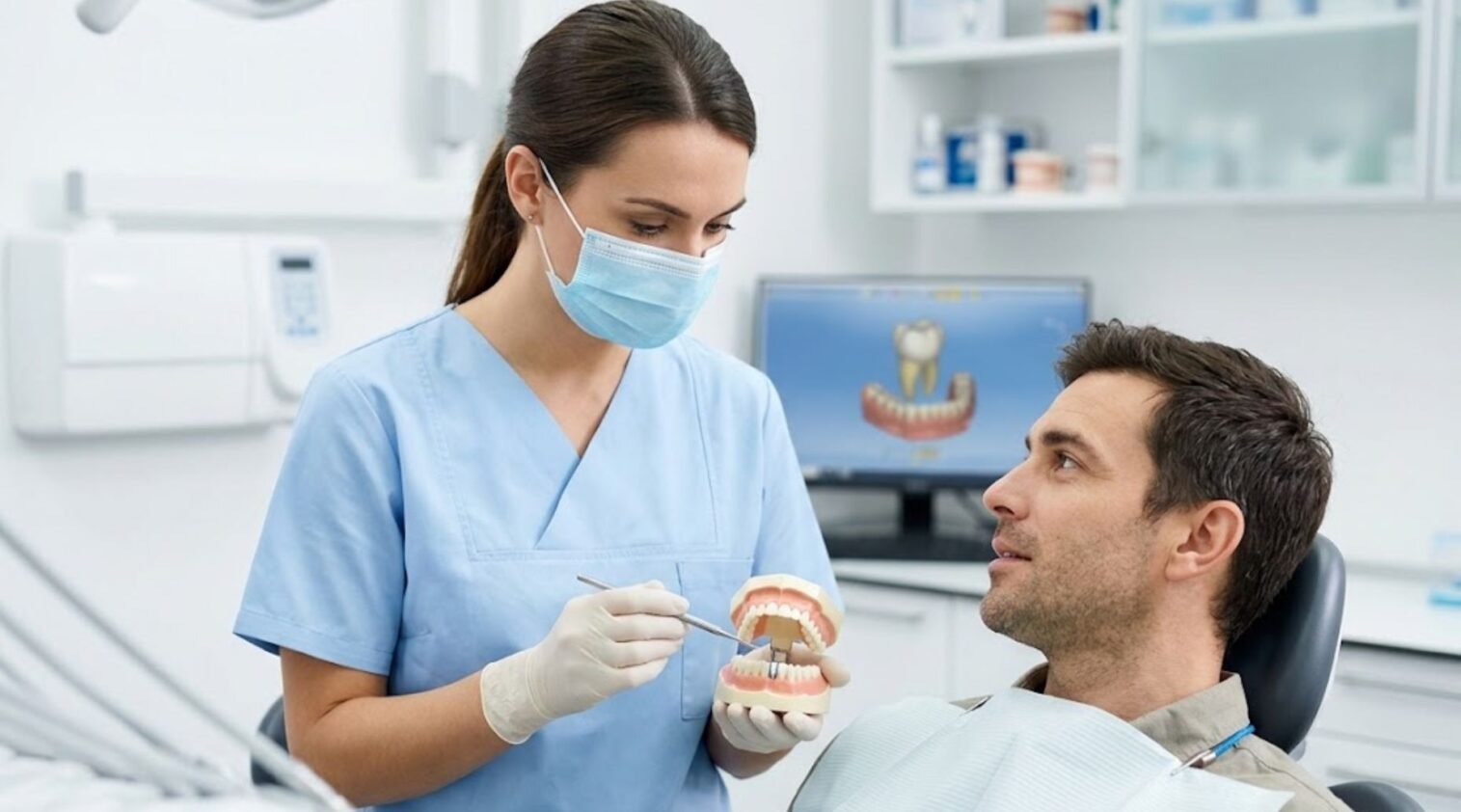
Zirconia dental implants are an increasingly popular non-metal option for patients concerned about metal allergies. This guide summarizes zirconia’s benefits, known risks, and how it compares with titanium so St. Cloud patients can make an informed choice about implant care and holistic options.
Comprehensive Guide for St. Cloud Patients on Zirconia Dental Implants
Zirconia implants are ceramic, strong, and tooth-colored, which helps them blend naturally. For patients worried about metal sensitivity, zirconia avoids the metals that can provoke reactions while providing a durable restorative option.
Introduction to Zirconia Dental Implants
Made from zirconium dioxide, zirconia implants are a biocompatible ceramic intended to integrate with the jawbone and restore tooth form. They are less likely than metal implants to trigger adverse immune responses, making them a practical choice for patients with metal sensitivities.
Research indicates zirconia has a favorable hypoallergenic profile for many patients with metal sensitivities.
Zirconia Implants: Allergy-Free Alternative to Titanium
Zirconium dioxide implants (ZrO2), including yttria-stabilized zirconia, are a promising alternative to titanium; no documented cases of allergy to zirconium have been reported.
Allergies to titanium dental implants: what do we really know about them? A scoping review, 2020
Advantages of Zirconia Implants
Zirconia implants offer several advantages for patients sensitive to metals:
- Metal Allergy Compatibility: As a ceramic, zirconia avoids metal allergens for many patients.
- Natural Aesthetics: Tooth-colored zirconia reduces visible metal discoloration through gums.
- Reduced Gum Irritation: Zirconia is generally well tolerated by soft tissues.
- Durability: Zirconia provides good wear resistance when placed appropriately.
- Bone Integration: Zirconia supports osseointegration in suitable clinical situations.
If you’re considering zirconia implants, Dental Artistry offers placement and follow-up care tailored to each patient.
Potential Risks of Zirconia Implants
Zirconia has benefits, but be aware of known limitations:
- Limited Long-Term Data: Zirconia has less long-term outcome data than titanium.
- Brittleness: Ceramic implants can be more fracture-prone under extreme stress.
- Surgical Technique Sensitivity: Proper placement technique and case selection are important for success.
Discuss these factors with your dental team to match the material to your needs.
Comparison with Traditional Titanium Implants
Key considerations when choosing between zirconia and titanium:
- Material Differences: Zirconia is ceramic; titanium is metal—a key factor for allergy concerns.
- Aesthetic Considerations: Zirconia typically offers a more natural appearance.
- Allergy Considerations: Patients with metal sensitivities often prefer zirconia.
- Longevity and Success Rates: Titanium has a longer evidence base, but zirconia is gaining support.
Your clinician will weigh aesthetics, allergies, and long-term evidence to recommend the best option.
What Are Metal Allergies and How Do They Affect Dental Implants?
Metal allergies occur when the immune system reacts to certain metals, causing local inflammation, pain, or discomfort. These reactions can complicate implant treatment and influence material choice.
Hypersensitivity to metal materials, including rare titanium-specific reactions, has been reported in some cases.
Titanium Allergy & Dental Implant Hypersensitivity
(1) Background: Hypersensitivity reactions to metal materials, including titanium dental implants, can lead to titanium-specific allergy.
Titanium allergy caused by dental implants: a systematic literature review and case report, PP Poli, 2021
Which Metals Commonly Cause Allergic Reactions in Dental Patients?
Common allergenic metals include nickel, cobalt, and chromium; reacting to these metals does not automatically mean you will react to titanium, but it raises caution when choosing metal-based restorations.
Metal Allergy Prevalence & Titanium Implant Alternatives
Sensitivity to nickel, chromium, and cobalt does not necessarily indicate a titanium allergy, although patients who react to other metals have a higher risk of metal allergy.
Zirconium Implant as an Alternative to Titanium Implant in a Case of Type IV Titanium Allergy: Case Report., P Tawil, 2020
What Risks Do Metal Allergies Pose for Traditional Titanium Implants?
Metal allergies can increase the risk of adverse reactions and, in rare cases, implant failure. Non-metal alternatives like zirconia may be recommended for sensitive patients.
Why Choose Zirconia Dental Implants for Metal Allergy Safety?
Choosing zirconia reduces exposure to metal allergens while delivering functional and aesthetic restorations. It is a practical, non-metal option for patients prioritizing allergy safety.
What Are Zirconia and Ceramic Implants?
Zirconia implants are ceramic implants made from zirconium dioxide that aim to restore tooth function and appearance with a biocompatible material suited for patients with metal concerns.
How Do Zirconia Implants Compare to Titanium in Biocompatibility?
Zirconia is often better tolerated by soft tissues and less likely to cause metal-related reactions, though both materials can be successful when case selection and technique are appropriate.
What Are the Holistic Dental Implant Options Available in St. Cloud?
Holistic implant care in St. Cloud emphasizes biocompatible materials and individualized planning. Zirconia is commonly included among non-metal options offered by holistic-oriented practices.
How Does Holistic Implant Dentistry Support Metal Allergy Patients?
Holistic dentistry focuses on patient-centered plans, choosing materials and techniques that reduce metal exposure and support overall health and comfort.
What Non-Metal Dental Implant Solutions Does Dental Artistry Offer?
Dental Artistry offers non-metal solutions, including zirconia implants, and works with patients to select options that balance allergy safety, function, and aesthetics.
How Can Patients Care for Zirconia Implants After Placement?
Good aftercare—follow-up visits, diligent oral hygiene, and prompt attention to any problems—supports long-term success for zirconia restorations.
What Is the Typical Procedure for Zirconia Implant Placement?
Typical steps include consultation, surgical placement into the jawbone, and a healing period to allow osseointegration. Proper planning and technique are essential.
What Aftercare Practices Promote Long-Term Implant Success?
Recommended practices: consistent oral hygiene, routine dental check-ups, and monitoring for any discomfort or complications so issues are addressed early.
If you’re interested in a consultation, you can contact us today to discuss options.
Frequently Asked Questions
What is the lifespan of zirconia dental implants compared to titanium implants?
With good care, zirconia implants can last many years. Titanium has a longer documented track record, but longevity depends on oral hygiene, bone quality, and surgical technique.
Are zirconia implants suitable for all patients?
Zirconia is suitable for many but not all patients. Bone density, oral health, and restoration needs determine suitability; grafting may be required in some cases.
How do I know if I have a metal allergy?
Metal allergies often present as redness, swelling, itching, or pain near metal restorations. An allergist can confirm sensitivities with testing, and your dentist can recommend alternatives like zirconia if needed.
What should I expect during the healing process after zirconia implant placement?
Expect several weeks to a few months of healing while the implant bonds with bone. Short-term swelling or discomfort is common; follow aftercare instructions and attend follow-ups.
Can zirconia implants be used for all types of dental restorations?
Zirconia can support crowns, bridges, and some denture solutions. The final restoration depends on location, load requirements, and clinical judgment.
What are the costs associated with zirconia dental implants?
Costs vary by case complexity, clinician experience, and location. Zirconia may be somewhat more costly; discuss fees, insurance, and financing with your provider.
Conclusion
For patients concerned about metal allergies, zirconia implants offer a non-metal, aesthetic, and biocompatible alternative. Schedule a consultation with Dental Artistry Orlando to discuss suitability, risks, and long-term expectations with your dental team to choose the best implant material for your needs.