
How Guided Implant Surgery Reduces Pain and Speeds Up Recovery in St. Cloud
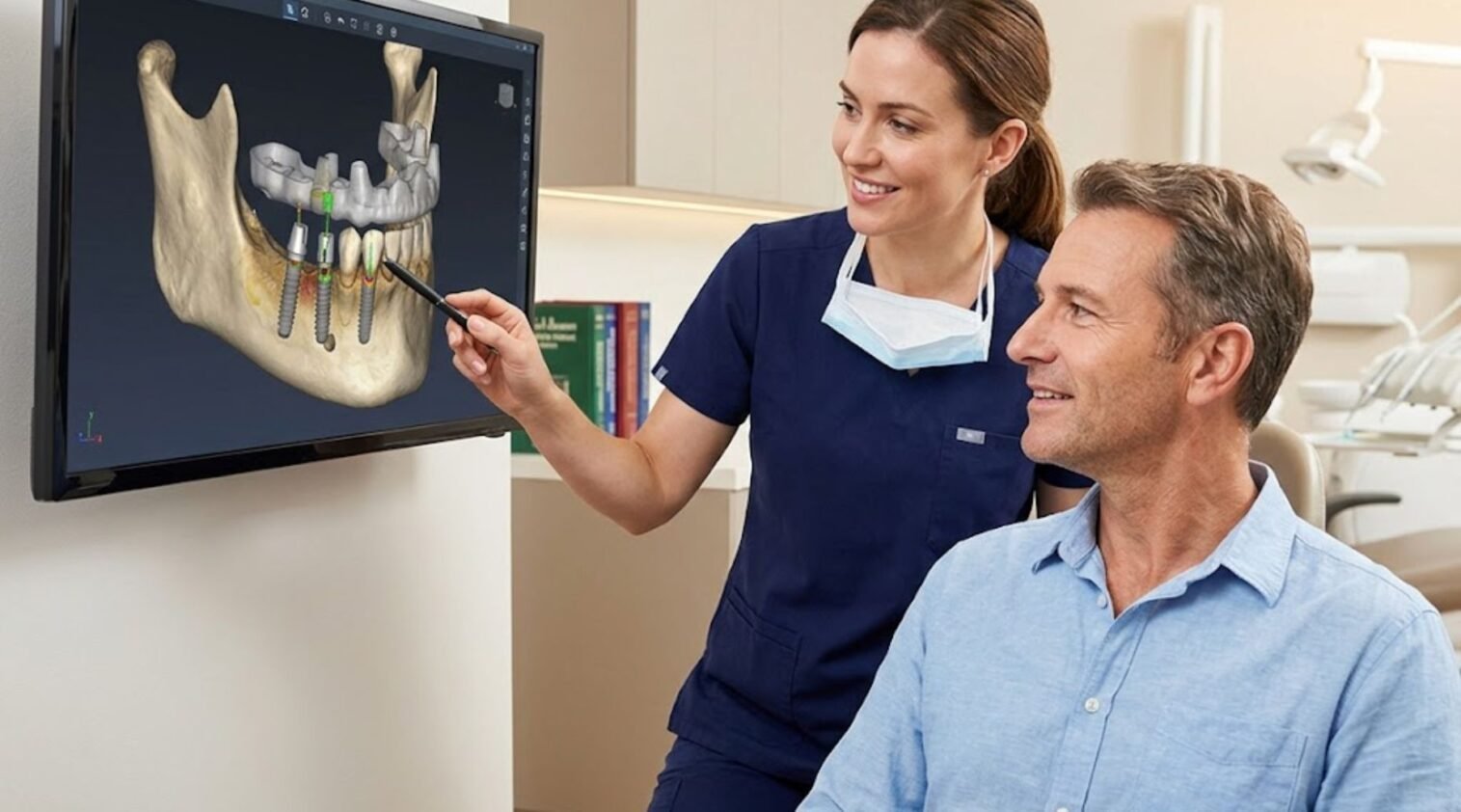
Guided implant surgery is a technology-driven approach that improves comfort and shortens recovery by planning and placing Dental Implants in St. Cloud with precision. Many patients feel anxious about surgery; understanding guided techniques—including 3D imaging and minimally invasive methods—can reduce worry and help set realistic expectations for pain management and healing.
What Is Guided Implant Surgery and How Does It Improve Patient Comfort?
Guided implant surgery uses 3D scans and custom surgical guides to map bone, nerves and soft tissue and plan exact implant positions. That precise planning reduces tissue trauma during placement, which increases comfort during the procedure and supports faster, smoother recovery.
Guided Implant Surgery: Reduced Pain & Anxiety
Reduction of anxiety, pain, and patient discomfort after implant placement using two different surgical methods, including a flapless, image‑guided procedure. Effect of flapless surgery on pain experienced in implant placement using an image‑guided system. JL Bosson, 2006
How Does 3D Dental Implant Planning Enhance Surgical Precision?
3D planning gives a complete view of dental anatomy—bone density, nerve pathways and landmark points—so clinicians can select optimal implant angle and depth. That accuracy lowers complication risk, improves outcomes and reduces the likelihood of post‑operative discomfort.
Guided Implantology: Precision & Pain Reduction
Conclusions: Guided oral implantology is a viable option for rehabilitation in edentulous patients, offering benefits in surgical precision and pain reduction. Impact of Guided Implant Dentistry on Patient Quality of Life, Satisfaction, and Psychological Well‑Being: A Systematic Review, E Velasco‑Ortega, 2025
What Makes Minimally Invasive Dental Implants Less Painful?
Minimally invasive techniques use smaller incisions and specialized instruments instead of wide gum flaps, which reduces tissue trauma, pain and swelling. Patients commonly experience faster soft‑tissue healing and a shorter, more comfortable recovery when guided positioning systems enable less invasive placement.
Guided Surgery: Faster Healing & Less Post-Op Pain
rapid and optimal healing of the soft tissues, and reduces the pain and swelling after surgery, in cases to use a guided implant positioning system to obviate the surgical risks of operating.
Immediately loaded implants in rehabilitation of the maxilla: a two‐year randomized clinical trial of guided surgery versus standard procedure, 2017
How Does Guided Implant Surgery Accelerate Recovery Time?
By minimizing surgical trauma and placing implants accurately, guided surgery reduces the amount of healing the body must perform. That typically means less discomfort and a quicker return to normal activities compared with less precise approaches.
What Are the Typical Recovery Timelines After Guided Implant Surgery?
Recovery varies but guided procedures often heal faster. Expect initial soft‑tissue improvement in 1–2 weeks as swelling subsides. Osseointegration—the implant fusing with bone—generally takes 3–6 months depending on overall health and adherence to post‑op instructions.
Which Pain Management Techniques Are Used During and After Surgery?
Managing pain is integral to guided implant care. Common techniques include:
- Local Anesthesia: Administered during the procedure to numb the surgical area and minimize pain.
- Sedation Options: Sedation can ease anxiety and increase comfort for nervous patients.
- Post-Operative Pain Relief: Prescribed medications or over-the-counter analgesics control discomfort after surgery.
Together these measures support comfort during treatment and a smoother recovery.
Why Is Precise Dental Implant Placement Crucial for Reducing Pain and Recovery Time?
Correct implant positioning promotes proper integration with bone and surrounding tissue, reducing infection or failure risk. Precise placement also avoids unnecessary trauma to nearby structures, lowering post‑operative pain and swelling—a core benefit of guided surgery.
How Can Patients in St. Cloud Prepare for and Benefit from Guided Implant Surgery?
If you’re in St. Cloud, simple preparation steps improve outcomes:
- Consultation: Discuss needs and expectations with a dental professional.
- Medical History Review: Share a full medical history to identify risks or considerations.
- Post-Operative Care Planning: Learn post‑op requirements to support a quick recovery.
These steps help ensure a smoother process and better results.
What Should Patients Expect During the Guided Implant Surgery Process?
Expect a structured, comfort-focused workflow that follows a clear plan:
- Pre-Surgical Planning: 3D imaging creates a detailed surgical plan.
- Surgical Procedure: Implant placement using guided tools for accuracy.
- Post-Operative Care: Instructions to promote healing and limit discomfort.
This clear sequence keeps patients informed and prepared.
How Does Dental Artistry Personalize Care to Enhance Comfort and Recovery?
At Dental Artistry Orlando, personalized care guides every step of guided implant treatment. We tailor planning, sedation and follow-up to each patient, using advanced technology to minimize discomfort and speed recovery—making us a trusted local option in St. Cloud.
| Technique | Benefit | Impact Level |
|---|---|---|
| Guided Implant Surgery | Enhanced precision and comfort | High |
| 3D Imaging | Improved surgical planning | High |
| Minimally Invasive Techniques | Reduced pain and recovery time | High |
Frequently Asked Questions
What are the potential risks associated with guided implant surgery?
Guided implant surgery is generally safe, but all surgery carries risk. Possible complications include infection, nerve injury or implant failure. Guided techniques reduce those risks by improving accuracy, but review your medical history and discuss concerns with your dental professional.
How long does the entire guided implant surgery process take?
Procedure length varies. The surgical appointment typically lasts about one to two hours for implant placement; additional time is needed for consultations, 3D imaging and follow-up visits that support successful treatment.
Are there any dietary restrictions after guided implant surgery?
Yes. You will usually be advised to eat soft foods for the first few days, stay hydrated and avoid hot, spicy or hard foods that could irritate healing tissue. Follow your dentist’s dietary instructions to support recovery.
How can patients manage anxiety before the surgery?
Talk openly with your dental team about concerns and sedation options. Simple relaxation strategies—deep breathing, brief meditation or calming music—can also lower stress before surgery.
What follow-up care is necessary after guided implant surgery?
Follow‑up care ensures proper healing: attend scheduled appointments, follow oral hygiene and pain‑control guidance, and adhere to dietary recommendations. Staying in contact with your dentist helps optimize outcomes.
Can guided implant surgery be performed on patients with existing dental issues?
Often yes. Conditions such as gum disease or bone loss do not automatically rule out guided implants, but a careful evaluation is needed. Preparatory treatments may be required to address underlying issues before implant placement.
Conclusion
Guided implant surgery combines advanced imaging and minimally invasive techniques to deliver more precise placement, less pain and faster recovery for many patients. Understanding these benefits helps you make informed choices about care. Contact us to discuss whether guided implant treatment is right for you.