
Do I Need a Bone Graft Before Getting Dental Implants in St. Cloud?
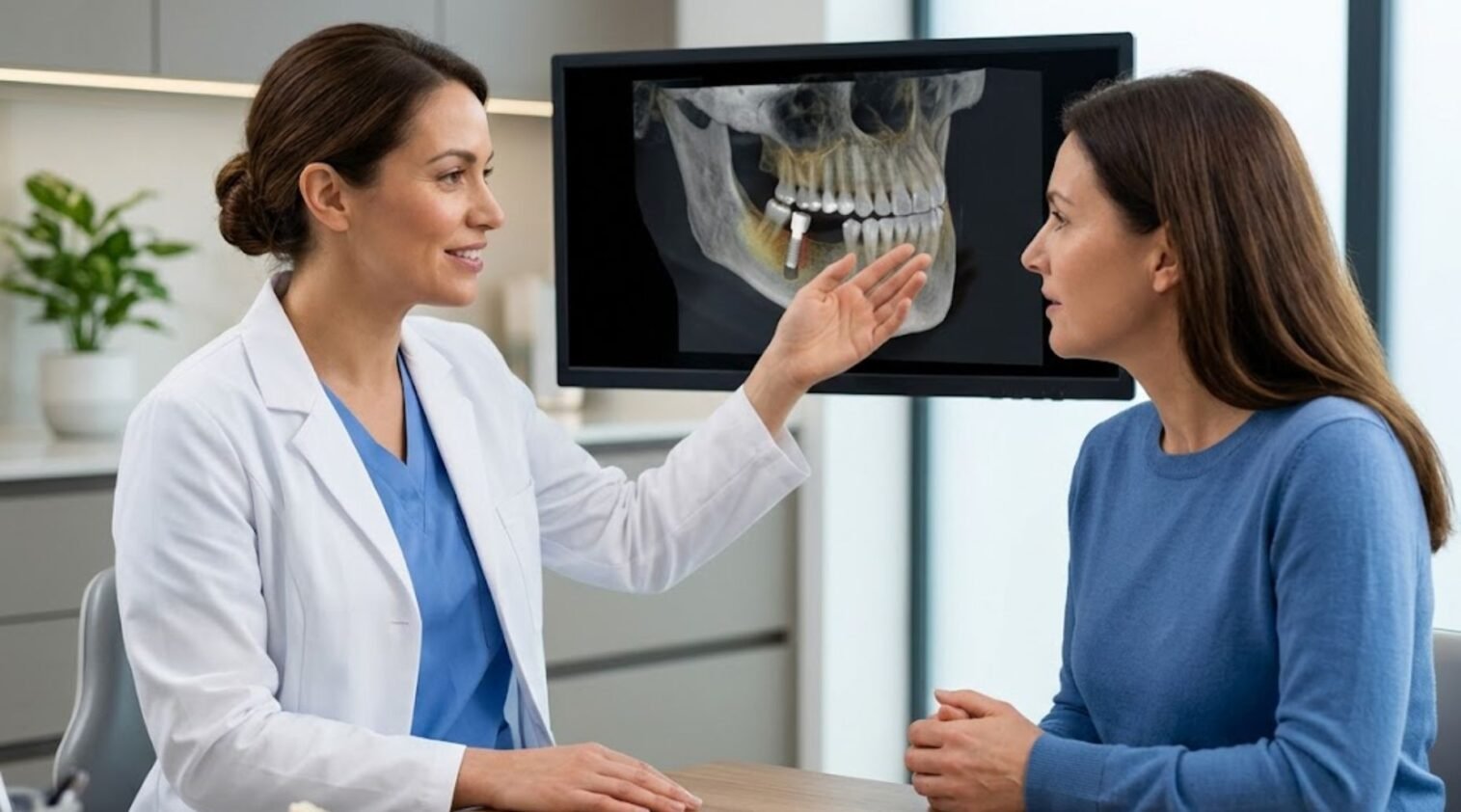
Your jawbone’s condition is central to dental implant planning, especially when considering Dental Implants in St. Cloud. Implants require enough healthy bone to anchor and integrate properly; when volume or density is insufficient, a bone graft may be recommended to rebuild the foundation. This procedure helps ensure the implant’s stability and long-term success. Understanding when grafting is necessary, why bone density matters, common causes of bone loss, and the types of grafts available can help you make informed decisions with your dental professional.
How Does Jawbone Density Affect Dental Implant Success?
Bone density influences initial implant stability and long-term osseointegration. Denser bone provides a firmer foundation; low-density or thin bone increases the chance the implant won’t integrate reliably. When scans indicate inadequate bone, augmentation can rebuild volume and improve predictability. Discuss scan results and options with your dental professional.
A study examines the relationship between jawbone density and the initial stability of dental implants.
Jawbone Density & Dental Implant Stability
This study aimed to identify correlations between the physical properties of jawbone and initial implant stability, and to compare these properties across different jaw regions.
Correlations between physical properties of jawbone and dental implant initial stability, WJ Seong, 2009
Jawbone Properties & Dental Implant Stability
This study examined correlations between the physical properties of bone and initial implant stability across different jaw regions.
Correlations between physical properties of jawbone and dental implant initial stability, WJ Seong, 2009
What Causes Jawbone Loss and When Is Augmentation Needed?
Jawbone resorbs after tooth loss because roots no longer stimulate bone. Periodontal disease, trauma, and some health conditions also contribute. Augmentation is recommended when the jaw is too thin or soft to support an implant safely; untreated loss can alter facial contours and reduce chewing ability.
Research shows bone grafting is commonly used in implant procedures to address bone deficiencies.
Necessity & Types of Bone Grafts for Dental Implants
This study reported the frequency and types of bone grafts used in implant patients. Bone grafting was performed in 50.3% of sextants. Among grafted sites, sinus lifting with a lateral approach (22.1%) and guided bone regeneration (22.7%) were most frequent. Bone grafting was used to augment defects; more than half of the sextants required grafts for implant installation.
Frequency of bone graft in implant surgery, 2016
How Is Jawbone Density Evaluated Before Implant Placement?
Dentists use Cone Beam CT (CBCT) to measure bone volume and quality in three dimensions. CBCT highlights areas that may need grafting and helps plan implant position and angulation. If scans show insufficient bone, your clinician will recommend augmentation before or during implant placement depending on the case.
Assessing Jawbone Density for Dental Implants
This study used CBCT and Simplant software to measure bone density at implant sites and establish quantitative ranges for bone quality.
Assessments of jaw bone density at implant sites using 3D cone-beam computed tomography, 2014
What Are the Types of Dental Bone Grafts Used in Implant Preparation?
Common graft sources are autografts (patient), allografts (donor), and synthetic materials. Each integrates differently and influences healing time and predictability.
| Graft Type | Source | Healing Impact |
|---|---|---|
| Autografts | Patient’s own bone | Excellent integration and healing |
| Allografts | Donor bone | Good integration, lower risk of complications |
| Synthetic Grafts | Man-made materials | Variable integration, often used in specific cases |
What Are Autografts, Allografts, and Synthetic Grafts?
Autografts use the patient’s bone and typically integrate most reliably. Allografts are processed donor bone, avoiding a harvest site. Synthetic grafts are manufactured and useful when donor tissue is not suitable. Your dentist will recommend the best option based on defect size, medical history, and expected healing.
How Do Different Graft Types Impact Healing and Implant Stability?
Autografts often offer faster, more predictable healing because they provide living cells and growth factors. Allografts and synthetics can be effective but may require longer healing. Discuss timing and expectations with your clinician when planning implant placement.
Further research compares bone graft types and their reported success rates in dental implant procedures.
Dental Implant Bone Graft Success Rates & Types
This review compared different graft types and analysed implant success and survival after bone augmentation. After 1–5 years follow-up, reported success and survival rates were: block grafts 91.5% and 75%; blood derivatives 91.5% and 96.7%; composite grafts 80.9% and 94.2%; xenografts and particulate grafts 100% success and 100% survival.
Comparative bone graft evaluation for dental implant success: an evidence-based review, 2021
Comparative Bone Graft Evaluation for Dental Implant Success
This review compared different bone grafts and analysed implant success and survival across 41 studies, considering study design, implant numbers, graft types, timing, and outcomes.
Comparative bone graft evaluation for dental implant success: an evidence-based review, 2021
What Should I Expect During Bone Graft Surgery and Recovery?
A bone graft fills missing volume with selected material and the site is closed with sutures. Expect swelling and some discomfort for a few days; most people resume normal activities quickly. Complete integration may take several months and requires follow-up visits to confirm readiness for implant placement.
What Is the Typical Bone Graft Procedure at Dental Artistry in St. Cloud?
At Dental Artistry Orlando we begin with imaging and a clear treatment plan. The surgeon places the chosen graft, closes the site, and provides postoperative instructions to support healing and comfort.
How Long Is Recovery and What Are Common Post-Operative Care Tips?
Initial recovery is days to weeks; full graft integration can take months. Rest, follow medication and wound-care instructions, and attend follow-up appointments to support healing and reduce risks.
How Much Does a Bone Graft Cost Before Dental Implants in St. Cloud?
Costs vary by graft type and case complexity; typical ranges are roughly $500–$3,000. Insurance may cover part of the cost if medically necessary—ask the office about financing and payment options.
What Factors Influence the Cost of Bone Grafting Procedures?
Factors include:
- Type of graft: Autografts often cost more due to harvesting.
- Procedure complexity: Larger or advanced grafts increase price.
- Geographic location: Local market and practice fees affect cost.
Are There Financing or Insurance Options Available at Dental Artistry?
Dental Artistry offers financing assistance and help with insurance claims. Check your plan and talk with staff about payment options.
Frequently Asked Questions
What is the recovery timeline after a bone graft procedure?
Initial recovery is usually a few days to a week; complete graft integration can take several months. Follow-up visits confirm healing before implants proceed.
Are there any dietary restrictions after a bone graft?
Yes. Stick to a soft diet (yogurt, smoothies, mashed foods) and avoid hard, crunchy, or sticky items until your dentist clears you.
How can I manage pain and discomfort after a bone graft?
Follow post‑operative instructions, use prescribed or over the counter pain relievers as advised, apply ice for swelling, and rest during early recovery.
Can bone grafting be done in conjunction with other dental procedures?
Yes. Grafting can sometimes be combined with extractions or implant placement when clinically appropriate to streamline treatment.
What are the long-term benefits of having a bone graft before dental implants?
Grafting restores bone volume and supports implant stability, improving function, aesthetics, and long-term oral health.
Conclusion
Assessing jawbone density and discussing graft options with a dental professional improves implant predictability and long-term oral health. Understanding bone graft indications and options helps you make informed choices and supports successful implant outcomes. Work with your clinician for a personalized plan and follow-up care. Contact Dental Artistry in St. Cloud today to schedule your consultation and learn more about bone grafting and implant options tailored to your needs.