
What to Eat During the Healing Phase After Getting Same-Day Implants
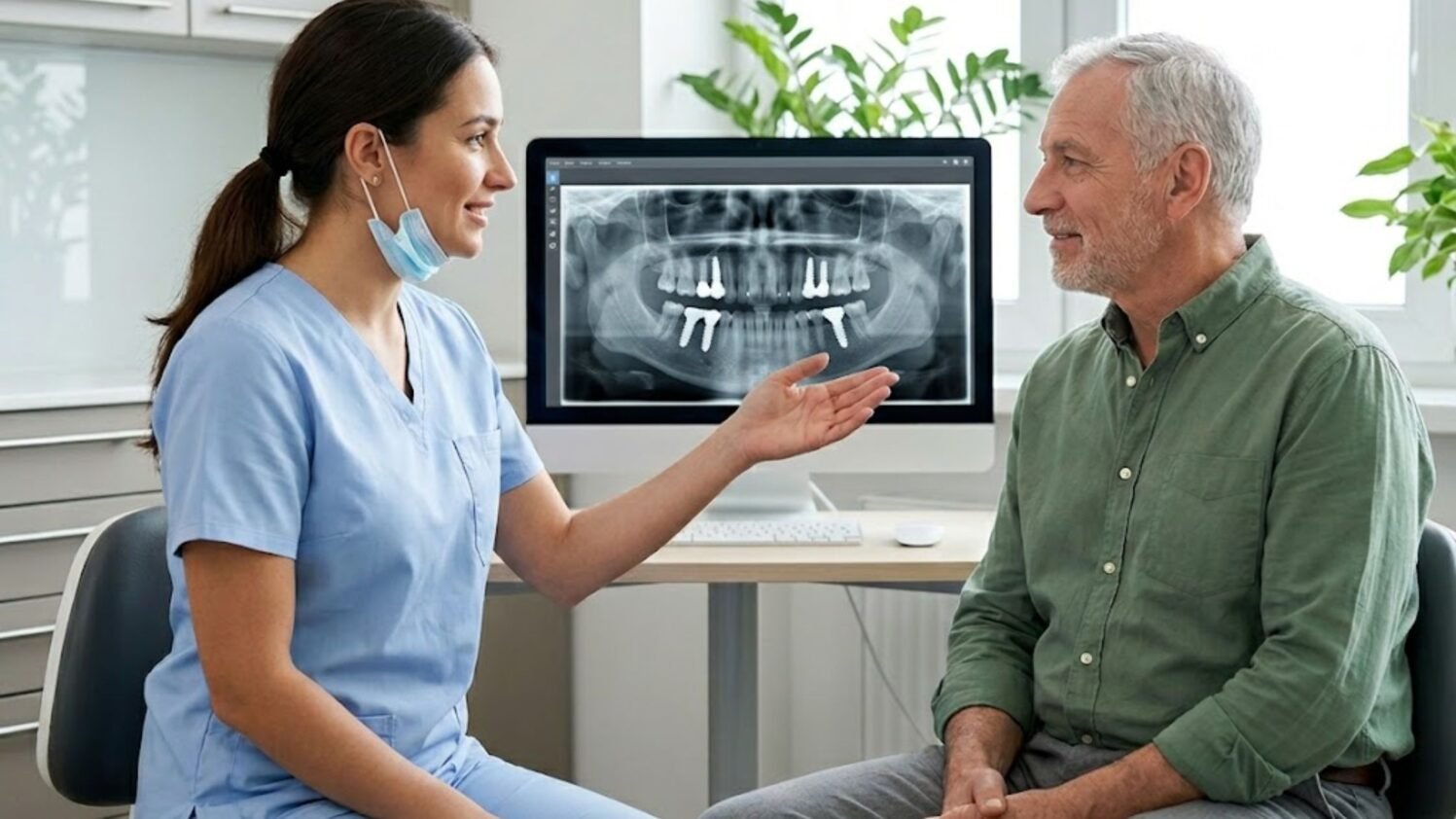
After same-day Dental Implants in St. Cloud, proper nutrition aids tissue repair and osseointegration. This guide outlines a gentle soft-food diet, foods to avoid, and practical nutrition and oral hygiene tips to protect implants and support recovery.
A thoughtful diet supports predictable wound healing after dental implant surgery.
Dietary Strategies for Post-Implant Wound Healing
This review examined how whole foods and specific dietary components affect periodontal health and their potential roles in wound healing.
Dietary strategies to optimize wound healing after periodontal and dental implant surgery: an evidence-based review, PC Fritz, 2013
Which Soft Foods Are Recommended After Same-Day Dental Implants?
A soft-food diet minimizes irritation at the surgical site while supplying nutrients. Gentle, easy-to-chew or -swallow options include:
- Mashed Potatoes: Creamy, energy-dense carbohydrates.
- Yogurt: Protein plus probiotics to support digestion.
- Smoothies: Blended fruits/vegetables for vitamins and hydration.
- Soups: Warm, pureed soups are nourishing and hydrating.
- Applesauce: Soft source of fiber and mild vitamins.
Include these foods to stay nourished. For tailored guidance, consult a dental professional—Dental Artistry in Orlando, FL, can advise based on your individual case.
What Are the Best Soft Food Options to Support Implant Healing?
Choose nutrient-dense soft foods that support tissue repair—focus on protein, calcium, and vitamins. Examples:
- Eggs: Scrambled or soft-cooked for high-quality protein.
- Cottage Cheese: Soft, protein- and calcium-rich dairy.
- Pudding: Easy-to-eat comfort food when needed.
These choices help you maintain a balanced diet during recovery without stressing the surgical site.
How Can Nutrient-Rich Soft Foods Promote Osseointegration?
Key nutrients support the implant-to-bone fusion process. Focus on:
- Calcium: Found in yogurt and cheese, supports bone strength.
- Vitamin D: Helps calcium absorption; available in fortified foods and fatty fish.
- Protein: Necessary for tissue repair—eggs, dairy, and blended protein sources work well.
Emphasizing these nutrients supports osseointegration and overall healing.
Research highlights the role soft-food diets play in wound healing and osseointegration.
Soft Food Diets for Implant Healing & Osseointegration
Patients undergoing full-arch implant procedures often require liquid or soft-food diets because of the combined demands of wound healing and osseointegration.
Dietary Experiences and Needs of Edentulous Patients Following Full Arch Implant Surgery: A Qualitative Study, 2026
What Foods Should Be Avoided During the Implant Healing Phase?
Avoid foods that can irritate or dislodge healing tissue to reduce the risk of complications.
Why Are Hard, Crunchy, and Sticky Foods Harmful After Implant Surgery?
Hard, crunchy, or sticky items can damage the surgical area or become trapped near the implant. Common examples include:
- Nuts: Hard and abrasive.
- Popcorn: Kernels may lodge in healing tissue.
- Chewy Candies: Sticky and likely to pull on sutures or tissue.
Avoid these foods while initial healing is underway to protect the implant site.
How Long Should You Avoid These Foods to Ensure Proper Recovery?
Generally avoid hard, crunchy, and sticky foods for at least 1–2 weeks after surgery. Wait until swelling and discomfort decrease, and follow your dentist’s personalized guidance before returning to a regular diet.
How Does the Implant Healing Diet Support Same-Day Dental Implant Recovery?
Your diet supplies the building blocks for repair. A balanced soft-food plan supports tissue healing and keeps you comfortable during recovery.
What Is the Role of Post-Operative Nutrition in Healing and Comfort?
Soft, easy-to-swallow foods provide protein, vitamins, and fluids without stressing the surgical area. Staying hydrated and choosing nutrient-dense options aids recovery and comfort.
Researchers are examining whether dietary supplements and nutraceuticals influence implant healing and osseointegration.
Dietary Supplements for Dental Implant Healing
This review considered the potential role of dietary supplements in supporting dental implant healing and the resulting functional rehabilitation of missing teeth.
Do dietary supplements and nutraceuticals have effects on dental implant osseointegration?
A scoping review, A Moretti, 2020
How Long Does the Soft Food Diet Typically Last During Osseointegration?
Many patients follow a soft-food diet for about 2–4 weeks while osseointegration progresses. Healing times vary—follow your dentist’s instructions when transitioning back to regular foods.
What Are Practical Tips for Managing Nutrition and Oral Hygiene After Implant Surgery?
Plan and prepare to make recovery easier. Key steps include:
- Plan Meals: Prepare soft, nutritious meals in advance.
- Stay Hydrated: Drink water and use smoothies for extra calories and nutrients.
- Maintain Oral Hygiene: Brush gently and rinse with salt water to keep the area clean.
How Can You Prepare Soft Food Meals That Are Both Nutritious and Easy to Eat?
Simple, nutrient-packed ideas:
- Smoothie Bowls: Blend fruit with yogurt for vitamins and protein.
- Creamy Soups: Puree vegetables with broth for balanced meals.
- Egg Dishes: Scrambled eggs with soft vegetables for protein.
These meals are quick to prepare and gentle on healing tissue.
What Oral Hygiene Practices Support Healing Without Disrupting Implants?
Maintain clean, infection-free gums with gentle care:
- Gentle Brushing: Use a soft-bristled brush and avoid the surgical site when swollen.
- Salt Water Rinses: Warm saline reduces inflammation and supports healing.
- Avoid Alcohol Mouthwash: Alcohol can irritate healing tissue—choose alcohol-free rinses.
Follow your dentist’s hygiene instructions to protect your implants and support healing.
If you have questions or concerns, contact your dental team—they can advise on activity, diet, and signs to watch for.
For more about our practice and services, visit Dental Artistry Orlando. We’re committed to high-quality care.
Frequently Asked Questions
How can I enhance my soft food diet for better recovery?
Include a variety of protein-rich options (eggs, dairy), blend fruits and vegetables into smoothies, and add healthy fats like avocado or nut butter to boost calories. Plan meals ahead for convenience.
Are there any specific vitamins or minerals I should focus on during recovery?
Focus on calcium, vitamin D, protein, and vitamin C to support bone strength, tissue repair, and collagen formation. Include yogurt, leafy greens, fatty fish, and citrus fruits.
What should I do if I have difficulty swallowing soft foods?
Modify textures by blending or pureeing foods and adding broth or smoothies. If swallowing problems persist, consult your dentist or healthcare provider.
Can I resume normal eating habits after the soft food diet?
Most patients transition back gradually around 2–4 weeks, starting with soft, easy-to-chew foods. Follow your dentist’s guidance before reintroducing harder items.
How can I maintain oral hygiene while on a soft food diet?
Use a soft-bristled toothbrush, avoid the surgical site if swollen, rinse with warm saline, and avoid alcohol-based mouthwashes. Adhere to your dentist’s instructions.
Conclusion
Soft, nutrient-balanced foods help promote healing and protect the surgical site. By choosing protein- and calcium-rich options and maintaining gentle oral hygiene, you can support osseointegration and recovery. For personalized care, contact Dental Artistry Orlando.