
Why You Absolutely Need a Custom Crown After a Root Canal Procedure
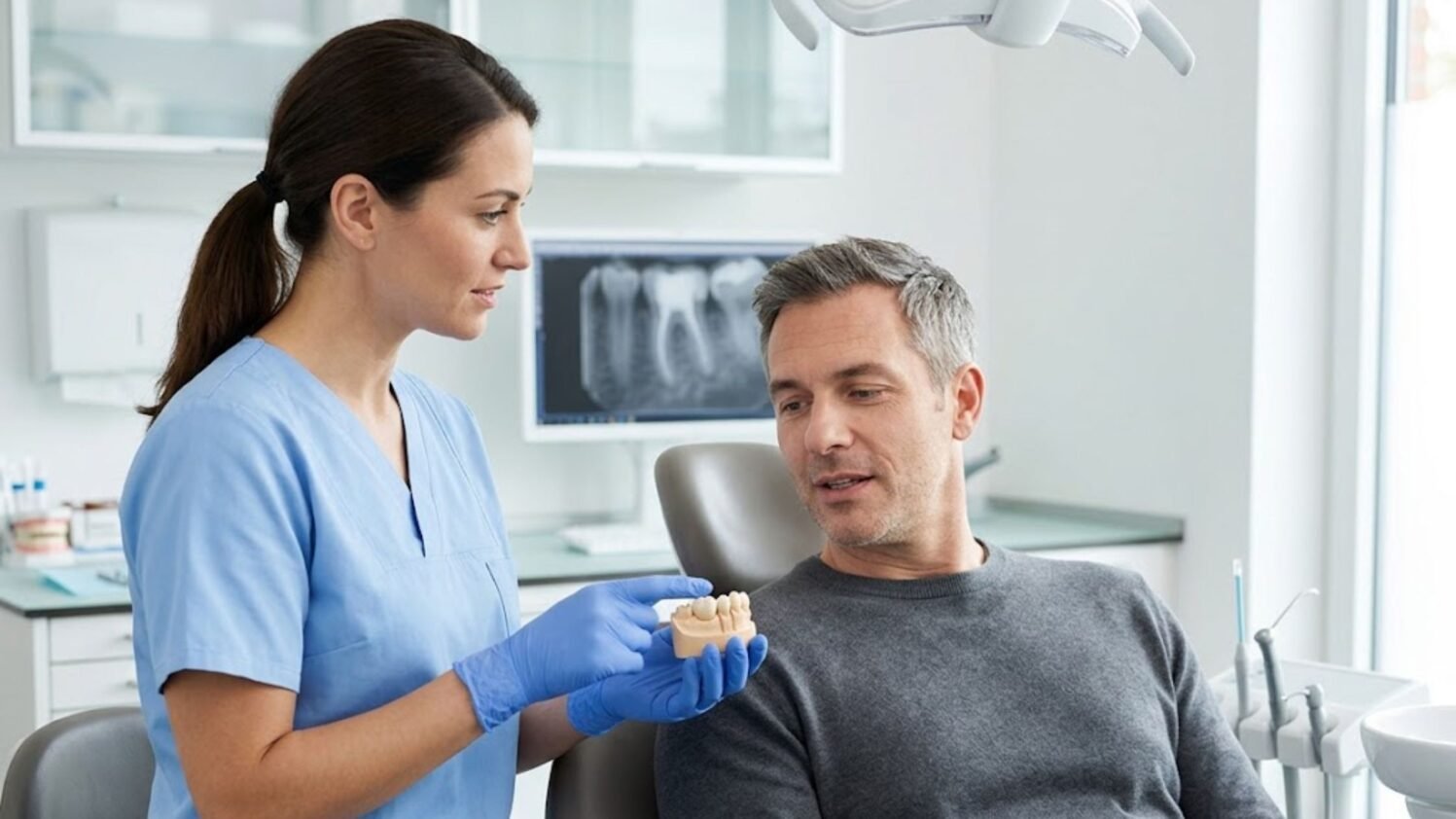
After a root canal, the treated tooth is often weaker and prone to breakage, so a custom crown is commonly recommended by a St. Cloud restorative dentist. A crown restores the tooth’s shape, strength and function. This article explains why crowns matter, common types, the fitting process, and basic care so you can make informed choices and avoid future problems.
What Makes a Custom Dental Crown Crucial After Root Canal Therapy?
A custom crown protects a tooth after root canal therapy. Root canal treatment removes infected tissue but can leave the tooth fragile and susceptible to fracture or decay. A crown covers and seals the tooth, shielding it from chewing forces and bacteria while restoring shape so you can chew and speak normally.
Research supports timely restoration to reduce fractures in teeth treated with root canal therapy.
Root Canal Tooth Restoration: Preventing Fracture with Coronal Structure
The successful treatment of a posterior tooth with substantial structural damage depends not only on root canal therapy but also on prompt restoration of the coronal (visible) tooth structure. Endodontically treated teeth lose tooth substance due to decay, the endodontic procedure itself, or previous restorations, and they undergo changes in physical properties, such as reduced elasticity, which increases their fracture susceptibility compared with unrestored vital teeth. Restoring endodontically treated posterior teeth is more challenging because of their higher functional demands.
Restoration of fractured endodontically treated mandibular first molar using custom made cast post and core, 2015
How Does a Custom Crown Protect a Root Canal Treated Tooth?
A crown provides structural support and lowers fracture risk for a root canal–treated tooth by encasing it so biting forces are distributed evenly. Because treated teeth can be more brittle, the crown helps the tooth last and function.
What Are the Risks of Skipping a Crown After Root Canal?
Skipping a crown raises the chance the tooth will crack or break during normal chewing. Exposed tooth structure lets bacteria reach the root, increasing reinfection and decay risk. These complications can require more treatment or extraction, affecting overall oral health.
Which Types of Dental Crowns Best Support Root Canal Tooth Longevity?
Several crown materials are available, each with specific benefits. Material affects durability and appearance; knowing differences helps you choose the best option for longevity and cosmetics.
For more information on available options and to schedule a consultation, consider visiting dental services offered by experienced professionals.
What Are the Benefits of Porcelain, Ceramic, and Metal Crowns?
Different materials suit different needs. Here’s a brief comparison of common types:
| Crown Type | Benefit | Longevity |
|---|---|---|
| Porcelain | Excellent aesthetics, blends with natural teeth | 5-15 years |
| Ceramic | Durable and natural-looking | 5-15 years |
| Metal | Highly durable, withstands heavy chewing | 10-15 years |
Porcelain suits front teeth for natural appearance; metal crowns are recommended for molars for strength. Ceramic crowns balance durability and aesthetics and work in many cases.
How Do Crown Materials Affect Tooth Protection and Aesthetics?
Material choice affects protection and appearance. Metal is strongest but visible; porcelain and ceramic look natural but can be less durable. Weigh functional needs and cosmetic goals when deciding.
What Is the Step-by-Step Custom Crown Procedure After Root Canal Therapy?
The custom crown process follows set steps to ensure a precise fit and function. Knowing the workflow eases concerns and sets expectations.
How Is a Custom Crown Designed and Fitted?
It starts with an impression of the prepared tooth to create an accurate model. The dentist selects the material, the lab fabricates the crown, and the dentist fits it to ensure a secure, comfortable restoration.
What Should Patients Expect During the Crown Placement Process?
During placement, the dentist removes decay and shapes the tooth. Impressions are taken and a temporary crown may be used while the permanent crown is made. When ready, the permanent crown is cemented and bite alignment is checked.
How Should You Care for Your Crowned Tooth to Ensure Long-Term Success?
Proper care helps your crowned tooth last and supports oral health. Recommended practices reduce complications and extend crown life.
To learn more about maintaining optimal oral health and the services offered, visit Dental Artistry Orlando.
What Are the Best Practices for Post-Procedure Dental Care?
After receiving a crown, maintain good oral hygiene. This includes:
- Regular Brushing: Brush twice a day with fluoride toothpaste.
- Flossing: Floss daily to remove plaque from between teeth and around the crown.
- Routine Check-Ups: Schedule regular dental visits for cleanings and exams.
These habits protect your crowned tooth and surrounding teeth, lowering future dental problems.
How Does Proper Care Extend Dental Crown Longevity After Root Canal?
Good care lengthens a crown’s life. Brushing and flossing prevent plaque and decay at the crown margin. Avoid hard foods and use a night guard if you grind your teeth. Regular check-ups let your dentist catch issues early so the crown remains functional.
If you have questions or need an appointment, you can contact our office for assistance.
Frequently Asked Questions
What is the average lifespan of a custom crown after a root canal?
Crown lifespan varies with material and care. Porcelain and ceramic typically last 5 to 15 years; metal often lasts 10 to 15 years. Hygiene, diet and regular exams influence longevity. Proper maintenance can extend service life.
Can I eat normally after getting a crown placed?
You can usually return to normal eating but avoid hard or sticky foods for at least 24 hours so cement sets. Temporary crowns are less durable; be cautious. Follow your dentist’s specific advice.
How can I tell if my crown is failing or needs replacement?
Warning signs include increased sensitivity, visible chips or cracks, or pain when chewing. If the crown feels different or doesn’t fit, contact your dentist. Regular check-ups spot problems early to allow repairs or replacement.
Are there any alternatives to crowns after a root canal?
Alternatives are less common. A filling may work if tooth structure is intact, but root canal–treated teeth are often fragile, so crowns are usually recommended. Your dentist will advise based on the tooth’s condition.
What should I do if my crown feels loose?
If a crown feels loose, contact your dentist promptly. A loose crown can let bacteria reach the tooth and raise decay risk. The crown may be re-cemented or replaced. Avoid chewing on that side until you are seen.
How does a dental crown affect my bite?
A well-fitted crown should not harm your bite. If it sits too high or is misaligned it can cause discomfort, jaw pain or grinding. If you have pain or biting issues after placement, return to your dentist for an adjustment.
Conclusion
A custom crown after a root canal protects the tooth and supports long-term function and appearance. It reduces fracture and decay risk while restoring chewing and speaking. Understanding benefits and care helps you make informed decisions. Schedule a consultation to discuss options and improve your oral health.