
Cracked Tooth Repair in St. Cloud: Can Restorative Dentistry Save It?
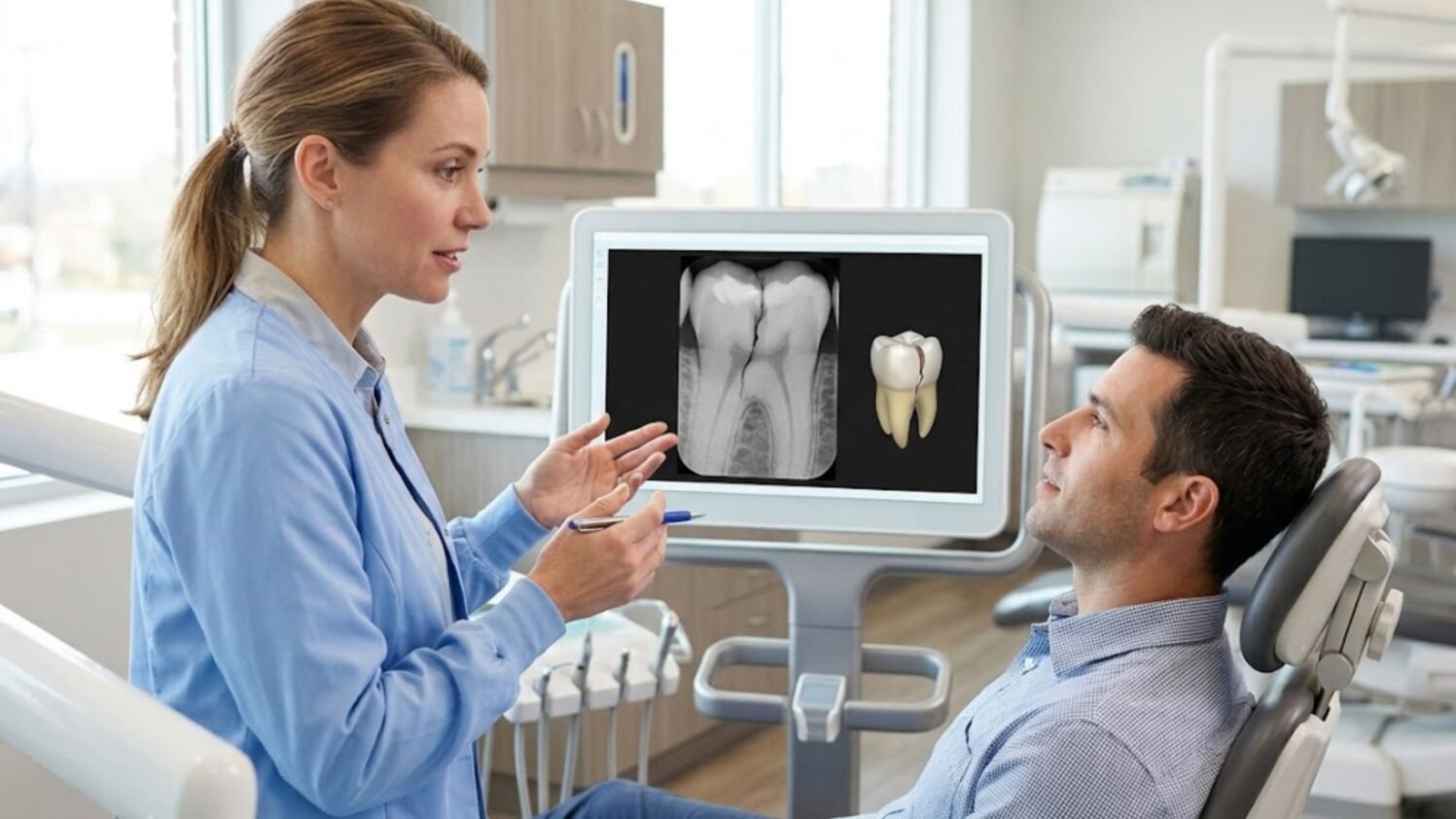
A cracked tooth can cause pain and lead to further problems if you delay care. Knowing the signs and treatment choices helps you act quickly with a St. Cloud restorative dentist. This article explains how restorative dentistry repairs cracked teeth and outlines symptoms, treatment options, pain relief methods, and steps you can take to prevent future fractures.
Managing cracked teeth depends on recognizing symptoms early and using the right restorative treatments.
Cracked Tooth Management: Symptoms & Restorations
Management of cracked teeth includes identifying risk factors, recognising signs and symptoms, and providing restorations that protect the tooth.
The cracked tooth conundrum: terminology, classification, diagnosis, and management., W Kahler, 2008
What Are the Common Symptoms of a Fractured Tooth?
Timely intervention starts with recognizing common symptoms: pain when chewing, sensitivity to hot or cold, and intermittent discomfort. These signs can vary and may worsen if left untreated, so early dental assessment is advisable.
How to Recognize Cracked Tooth Pain and Sensitivity
Cracked-tooth pain is often sharp when you bite or chew. You may notice increased sensitivity to hot and cold, and sometimes discomfort with sweet foods — which can indicate the fracture is affecting the tooth’s nerve.
What Other Signs Indicate a Tooth May Be Fractured?
Other indicators include gum recession near the tooth, visible enamel wear, or changes after recent dental work like fillings or crowns. Any of these changes can mean the tooth is compromised and should be evaluated.
Which Treatment Options Are Available for Cracked Tooth Repair?
Treatment depends on the fracture’s location and severity. Options range from conservative repairs to full coverage restorations; understanding them helps you and your dentist choose the right approach.
How Does the Dental Crown Procedure Restore Cracked Teeth?
A dental crown is a custom cap that covers and protects a cracked tooth. The tooth is reshaped to fit the crown, which is then cemented in place. Crowns restore strength and appearance and let you chew comfortably, especially when the damage is significant.
When Is Root Canal Therapy or Tooth Bonding Recommended?
Root canal therapy is used when a crack extends into the tooth’s pulp — the nerve and blood supply — to remove damaged tissue, clean the canal system, and seal it against infection. Tooth bonding uses a tooth-coloured resin for minor cracks to restore shape and function. Both aim to relieve pain and strengthen the tooth.
How Can Restorative Dentistry Relieve Cracked Tooth Pain?
Restorative dentistry reduces pain and restores function by combining immediate measures with durable repairs that protect the tooth long term.
What Are Immediate Pain Relief Techniques for Cracked Teeth?
Short-term measures include desensitizing toothpaste and topical fluoride to reduce sensitivity, plus a night guard to prevent grinding. These help manage symptoms while you wait for definitive treatment.
How Do Restorative Treatments Provide Long-Term Comfort?
Long-term solutions — crowns, composite fillings, or broader restorations when needed — restore function and shield the tooth from further damage, improving comfort and durability.
What Preventive Measures and Care Tips Help Avoid Tooth Fractures?
Preventing fractures starts with good oral care and avoiding habits that stress teeth. These steps reduce your risk of cracked teeth over time.
Which Daily Habits Protect Against Cracked Teeth?
Use a soft-bristled toothbrush and proper brushing technique, avoid chewing very hard foods, and wear a mouthguard for sports or if you grind your teeth at night. These daily habits help preserve tooth structure.
When Should You Seek Emergency Care for a Cracked Tooth?
Seek emergency dental care for severe pain, visible breaks, or swelling around the tooth. Prompt treatment can prevent complications and improve the chance of saving the tooth.Each treatment option addresses specific needs, so care can be tailored to you. For more information about dental services, consult a qualified professional.
| Treatment Option | Description | Benefits |
|---|---|---|
| Dental Crowns | Custom caps that cover and protect cracked teeth | Restores strength and appearance |
| Root Canal Therapy | Removes damaged pulp and seals the tooth | Alleviates pain and prevents infection |
| Tooth Bonding | Application of resin to restore minor cracks | Quick and aesthetic solution |
This table shows how each option meets different needs to ensure effective care. To schedule an appointment, you can contact us today.
Dental Artistry Orlando offers comprehensive care to help keep your smile healthy and bright.
Frequently Asked Questions
What causes a tooth to crack?
Teeth can crack from excessive biting forces, trauma, decay, large fillings, grinding (bruxism), or chewing hard objects. Age can also make teeth more brittle. Knowing these causes helps you take steps to reduce risk.
How long does it take to recover from cracked tooth treatment?
Recovery depends on the procedure. After a crown you may have sensitivity for a few days, with full recovery often in one to two weeks. Root canal therapy can require a longer healing period, especially if infection was present. Follow your dentist’s aftercare to support healing.
Can a cracked tooth heal on its own?
A cracked tooth will not heal on its own. Minor cracks can worsen over time and lead to infection or tooth loss. Seek dental care promptly to prevent complications and preserve the tooth.
Are there any home remedies for cracked tooth pain?
Home remedies can ease pain temporarily: warm salt-water rinses, a cold compress for swelling, and over-the-counter pain relievers. These are short-term measures only—see a dentist for evaluation and treatment.
What is the cost of cracked tooth repair?
Costs vary by treatment and location. Dental crowns typically range from $800 to $3,000, while root canal therapy can cost between $700 and $1,500. Insurance may cover part of the expense, so check your plan and discuss options with your dentist.
How can I prevent my teeth from cracking in the future?
Prevent cracked teeth by practising good oral hygiene, attending regular dental check-ups, wearing a mouthguard during sports or at night if you grind, avoiding hard foods, using a soft-bristled toothbrush, staying hydrated, and limiting acidic beverages.
Conclusion
Addressing a cracked tooth promptly with restorative dentistry can reduce pain and restore function and appearance. Treatments like crowns, root canal therapy, and bonding offer effective solutions. Early intervention improves outcomes—schedule an appointment to review the best option for your tooth.