
Replacing a Single Missing Tooth: Dental Bridge vs. Zirconia Implant in St. Cloud, FL
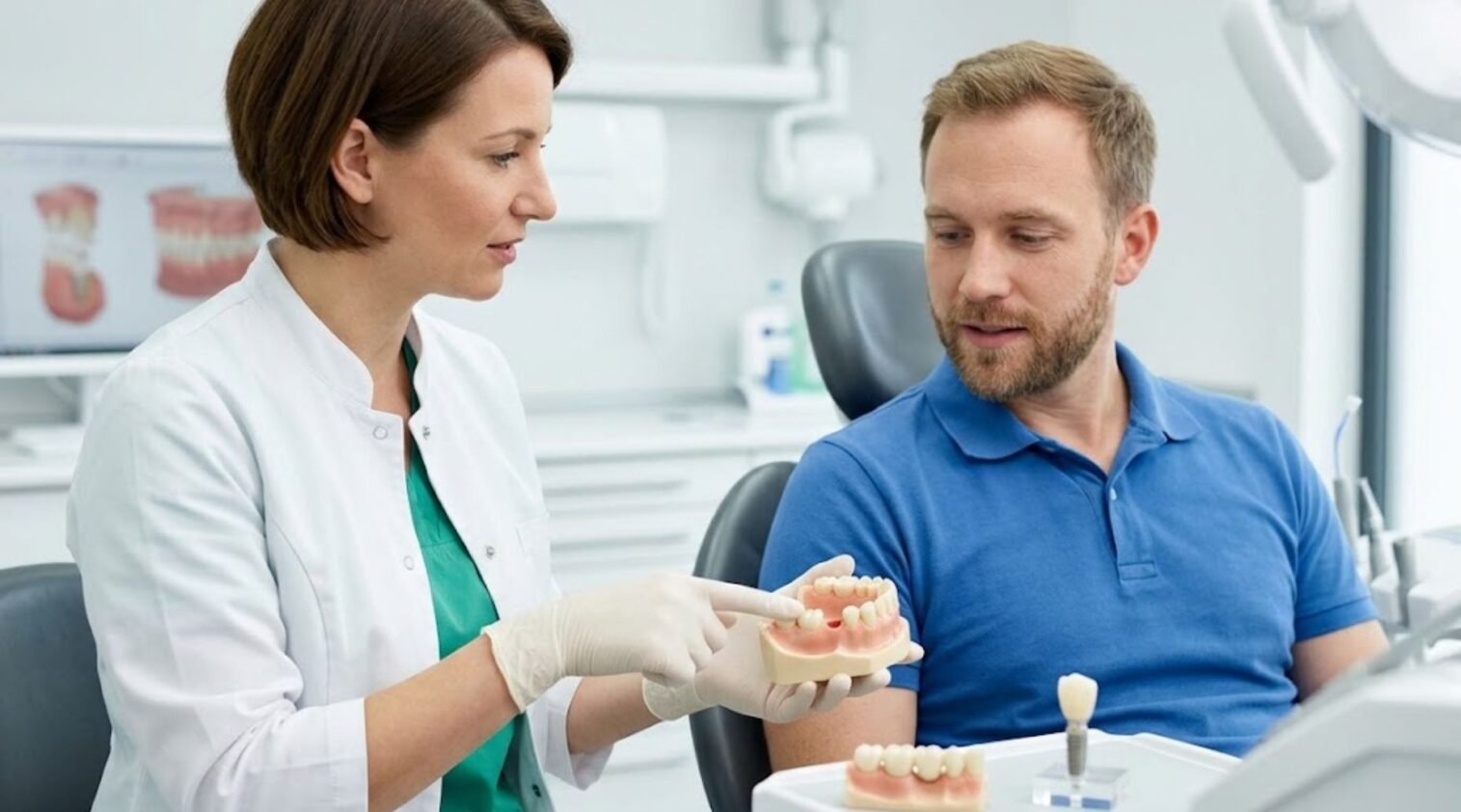
Replacing a single missing tooth is common. This article compares two options—dental bridges and zirconia implants—explaining how each works, the main benefits, and their effects on oral health and appearance. We also summarize cost and recovery considerations specific to Dental Implants in St. Cloud to help you plan treatment.
Patient and clinical factors — especially the effect on adjacent teeth — are central when choosing a single-tooth replacement.
Factors Influencing Single Tooth Replacement Choices
Choice between treatment options for replacing a single missing tooth depends on clinical, dentist, and patient factors. Most participants reported aesthetics and function as the main reasons to replace a missing tooth. The most important factor affecting the choice between treatments was damage to neighboring teeth.
Single-tooth replacement: factors affecting different prosthetic treatment modalities, FA Al-Quran, 2011
Further studies examine the clinical and patient considerations that guide single-tooth replacement decisions.
Factors Influencing Single Missing Tooth Replacement Choices
This study examined how clinical, dentist and patient factors influence the choice of treatment to replace a single missing tooth, and assessed patient satisfaction with different options.
Single-tooth replacement: factors affecting different prosthetic treatment modalities, FA Al-Quran, 2011
What Are the Key Differences Between Dental Bridges and Zirconia Implants?
Both restore a missing tooth but differ in support: a bridge uses adjacent teeth for support, while a zirconia implant is anchored in the jawbone and acts like a natural tooth root. This affects longevity, aesthetics, maintenance, and how surrounding teeth are treated.
How Does Each Procedure Work for Single Tooth Replacement?
Bridge treatment is typically completed in a few visits: adjacent teeth are prepared, impressions taken, a temporary placed, then the final bridge is adjusted and cemented.
Zirconia implant therapy is staged: a ceramic implant is placed in the jaw, left to osseointegrate for several months, then an abutment and crown restore form and function while helping preserve bone.
What Are the Benefits of Choosing Zirconia Dental Implants?
Zirconia implants offer several advantages over traditional bridges, including:
- Durability: Strong ceramic material with potential for long service when cared for properly.
- Aesthetic Appeal: Natural colour and translucency that blend well in visible areas.
- Biocompatibility: A metal-free option often well tolerated by soft tissues and patients with sensitivities.
If you prioritize a long-lasting, natural-looking replacement that preserves nearby teeth and bone, zirconia implants are a strong option.
Preclinical and clinical work supports zirconia implants’ fracture resistance and suitability for long-term use.
Zirconia Implant Fracture Resistance for Clinical Use
Preclinical tests of one-piece zirconia implants found promising fracture resistance, supporting their potential clinical use.
Clinical outcomes of zirconia dental implants: a systematic review, S Pieralli, 2017
Why Are Metal Free Dental Crowns Important for Aesthetic and Health Reasons?
Metal-free crowns such as zirconia match natural teeth more closely, resist staining, and tend to be gentler on gum tissues — benefits that matter most in the smile zone.
How Do Zirconia Implants Avoid Filing Healthy Teeth?
Zirconia implants are standalone replacements that do not require grinding adjacent healthy teeth the way many bridges do, helping preserve natural tooth structure and reduce future restorative needs.
Research into restorative materials helps clinicians select options that minimise wear on neighboring teeth and support long-term oral health.
Zirconia Crown & Implant Wear on Adjacent Teeth
PURPOSE: To investigate the influence of crown material (lithium-disilicate, 3Y-TZP zirconia) and abutment type (rigid implant, resin tooth with artificial periodontium) on wear performance of their antagonist teeth and adjacent teeth.
Influence of zirconia and lithium disilicate tooth-or implant-supported crowns on wear of antagonistic and adjacent teeth, M Rosentritt, 2020
Understanding material interaction with natural dentition informs better restorative choices.
Zirconia Implant & Crown Material Impact on Adjacent Tooth Wear
This study investigated how crown material (lithium-disilicate vs 3Y‑TZP zirconia) and abutment type (rigid implant vs resin tooth with artificial periodontium) affect wear on opposing and adjacent teeth.
Influence of zirconia and lithium disilicate tooth-or implant-supported crowns on wear of antagonistic and adjacent teeth, M Rosentritt, 2020
How Do Costs and Recovery Times Compare Between Bridges and Zirconia Implants in St. Cloud?
Costs and recovery differ: bridges are usually quicker and less costly up front, while implants require a longer healing period and higher initial investment but often deliver longer-term value.
What Is the Typical Dental Bridge Cost in St. Cloud, FL?
In St. Cloud, a dental bridge commonly ranges from $1,000 to $3,000 depending on materials, the number of teeth involved, and any additional dental work required.
What Should Patients Expect During the Single Tooth Implant Procedure?
A single-tooth implant requires placement under local anesthesia, months for osseointegration, then abutment and crown restoration; expect mild short-term swelling or discomfort that typically improves in days to a week.
| Procedure Type | Cost Range | Recovery Time |
|---|---|---|
| Dental Bridge | $1,000 – $3,000 | 1-2 weeks for full recovery |
| Zirconia Implant | $3,000 – $6,000 | 3-6 months for complete healing |
This table summarises typical time and cost so you can weigh clinical and financial priorities.
If you’re in St. Cloud, FL and weighing tooth-replacement options, consult a qualified dental professional. Dental Artistry Orlando offers consultations to help you choose the best approach.
Frequently Asked Questions
What factors should I consider when choosing between a dental bridge and a zirconia implant?
Consider adjacent tooth condition, jawbone health, aesthetics, cost, and recovery time; discuss longevity and maintenance with your dentist to decide what fits your priorities.
How do dental bridges and zirconia implants affect oral health in the long term?
Bridges may require alteration of supporting teeth and can transfer load to them; implants preserve adjacent teeth and support bone, which benefits long-term oral health.
What are the aesthetic differences between dental bridges and zirconia implants?
Zirconia implants generally provide superior colour and translucency matching and may look more natural, especially in the front of the mouth.
Can I switch from a dental bridge to a zirconia implant later on?
Yes; conversion is possible but may require bridge removal and bone assessment or grafting before implant placement.
What is the typical healing time for zirconia implants compared to dental bridges?
Implants need about 3–6 months for osseointegration; bridges usually allow full recovery in 1–2 weeks.
Conclusion
Choosing between a bridge and a zirconia implant affects oral health and appearance. Zirconia implants offer durability, natural aesthetics, and preservation of neighboring teeth, making them an excellent option for many patients. Contact us today to schedule a consultation and find the best tooth replacement option for you.