
Can a Cosmetic Dentist in St. Cloud, FL Fix Chipped, Cracked, or Gapped Teeth With Bonding?
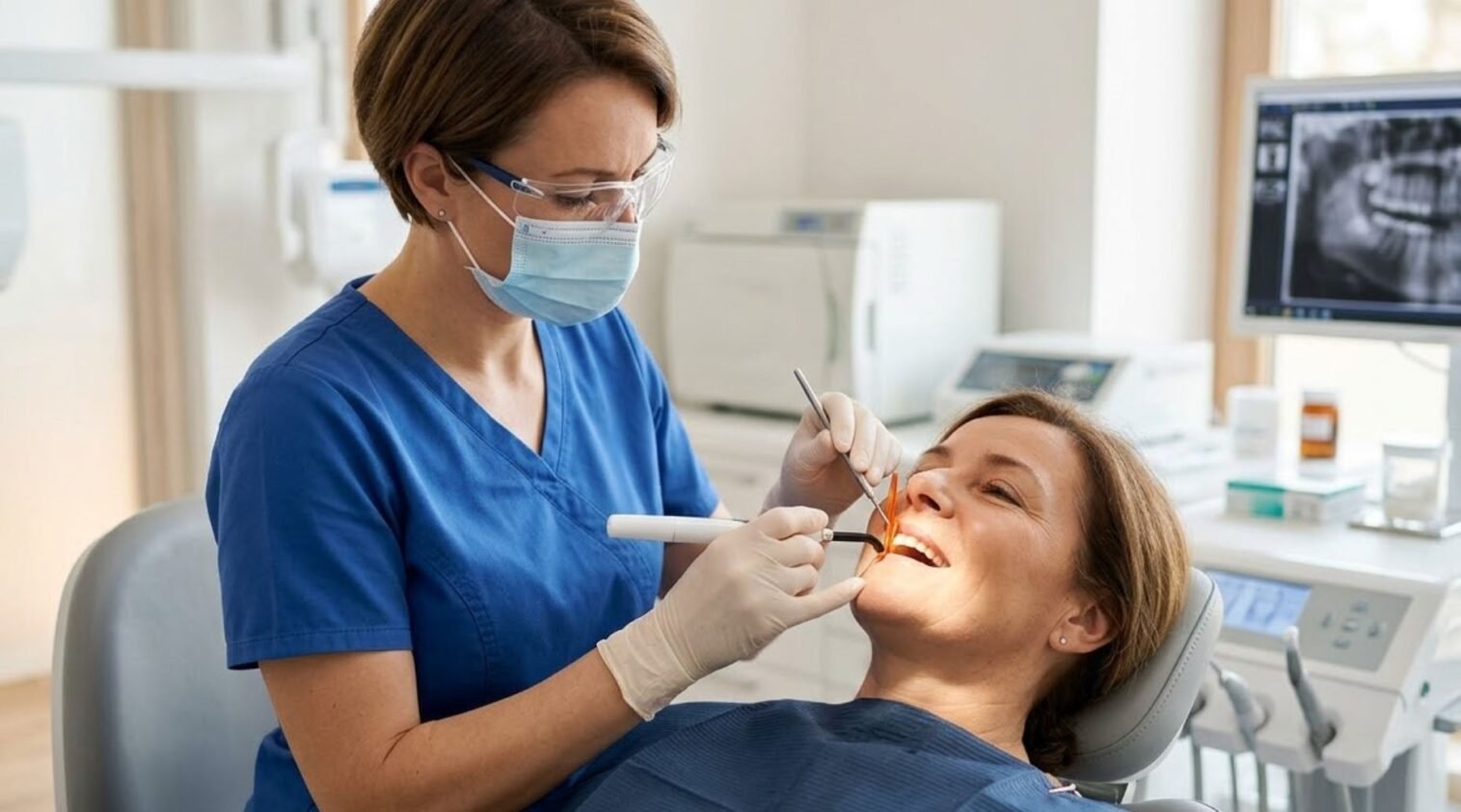
Dental bonding is a versatile cosmetic treatment that repairs chips, cracks, and gaps using a tooth-colored composite resin. It restores both appearance and function while preserving natural tooth structure. For patients seeking a quick, affordable way to enhance their smile and confidence, bonding is an effective solution. This article explains how the procedure works, the materials and steps involved, and what to expect at a St. Cloud practice offering cosmetic dentistry St Cloud FL.
What Is Dental Bonding and How Does It Repair Chipped, Cracked, or Gapped Teeth?
Dental bonding uses a composite resin matched to your tooth color to rebuild and reshape damaged areas. The resin is layered, sculpted, and polished so it blends with the surrounding teeth, restoring a natural appearance. Because bonding is minimally invasive and typically completed in one visit, many patients choose it for small cosmetic corrections that improve both appearance and bite function.
How Does Composite Resin Work in Cosmetic Dental Bonding?
Composite resin is a mix of plastic and fine glass particles designed to look and perform like natural tooth enamel. A bonding agent helps the material adhere securely to the tooth, and the resin is shaped then cured with a special light to harden it. The material’s versatility allows dentists to make precise adjustments so the repaired tooth matches the rest of your smile in color, shape, and texture.
Ongoing research continues to improve composite restorative materials, enhancing their durability and appearance.
Advances in Composite Dental Restorative Materials
This review examines recent research focused on improving one or more properties of dental restorative materials, highlighting advances and developments in the field. JW Stansbury, 2011
Which Teeth Conditions Can Dental Bonding Effectively Treat?
Bonding is effective for a range of common cosmetic concerns, including:
- Chipped Teeth: Rebuilds and smooths broken edges so the tooth looks whole again.
- Cracked Teeth: Fills and seals minor surface cracks to protect the tooth and improve appearance.
- Gapped Teeth: Closes small spaces between teeth to create a more even smile.
For minor to moderate issues, bonding is a fast, conservative choice that delivers noticeable cosmetic improvements.
What Are the Step-by-Step Procedures for Dental Bonding in St. Cloud?
A typical dental bonding visit includes several straightforward steps:
- Initial Consultation: Your dentist examines the area, reviews goals, and explains options.
- Preparation of the Tooth: The surface is lightly etched so the resin bonds securely.
- Application of Composite Resin: Resin is placed in layers and shaped to match your tooth.
- Curing the Resin: A curing light hardens each layer for a durable finish.
- Polishing: The restoration is smoothed and polished so it blends with your natural enamel.
Because most cases are completed in a single appointment, patients often leave with a finished smile the same day.
What Materials and Techniques Are Used During the Bonding Process?
Bonding relies primarily on shade-matched composite resin, applied in thin layers to reproduce the tooth’s contours. Dentists use adhesives and proven layering techniques to maximize bond strength and match translucency. Modern composite systems and polishing protocols help create long-lasting, natural-looking results.
How Long Does Each Step of the Dental Bonding Procedure Take?
Timing varies by case complexity, but most bonding procedures fit into a single visit lasting one to two hours total.
- Initial Consultation: About 30–60 minutes, depending on evaluation needs.
- Preparation and Application: Typically 30–60 minutes.
- Curing and Polishing: Generally an additional 15–30 minutes.
This efficient timeline makes bonding a convenient option for busy patients.
What Are the Benefits and Longevity of Dental Bonding With Composite Resin?
Dental bonding offers several advantages:
- Aesthetic Improvements: Composite can be color-matched and sculpted to blend with surrounding teeth for a natural result.
- Durability: With good care, bonded restorations can last several years, offering a cost-effective cosmetic solution.
- Minimally Invasive: Bonding usually requires minimal or no removal of healthy tooth structure, preserving the tooth.
How long bonding lasts depends on factors like oral hygiene, bite forces, and the bonded tooth’s location. Regular dental check-ups and sensible habits can help extend the life of the restoration.
Recent work highlights the minimally invasive benefits of modern cosmetic bonding techniques.
Minimally Invasive Cosmetic Bonding with Nano-Hybrid Composites
New, highly polishable nano-hybrid composites make whitening and edge bonding simpler and less invasive, improving cosmetic outcomes. Minimally invasive cosmetic dentistry: alignment, bleaching and bonding (ABB), 2011
| Benefit | Longevity | Impact Level |
|---|---|---|
| Aesthetic Improvements | 5-10 years | High |
| Durability | 3-10 years | Medium |
| Minimally Invasive | Long-lasting | High |
These points illustrate why many patients choose bonding for targeted cosmetic changes.
How Durable Is Composite Resin for Repairing Teeth?
Composite resin is reasonably durable for most cosmetic repairs, but longevity depends on where the restoration sits in the mouth, how hard you bite, and daily care. Bonded restorations can handle normal chewing, though restorations on back teeth may wear faster under heavy force. Regular exams help your dentist monitor restorations and address wear or damage early.
Clinical studies provide insight into the performance and typical failure modes of direct resin composites.
Clinical Performance and Longevity of Direct Resin Composites
This review surveys prospective studies on posterior resin composites (1996–2002), analyzing material, patient, and operator factors that affect failure rates—such as secondary caries, fracture, and marginal issues. Longevity of direct resin composite restorations in posterior teeth: a review, F König, 2003
What Aftercare Is Recommended to Maintain Bonding Results?
To keep bonded teeth looking and performing their best, follow these aftercare guidelines:
- Avoid Hard Foods: Skip biting directly into very hard or sticky items that can chip the resin.
- Maintain Oral Hygiene: Brush twice daily and floss to prevent decay around bonded margins.
- Regular Dental Check-ups: Visit your dentist for routine exams and professional cleanings to spot and fix wear early.
Following these steps helps prolong the life and appearance of your bonding.
What Are the Cost Factors and Consultation Process for Cosmetic Dental Bonding in St. Cloud?
Bonding costs vary by case complexity, the number of teeth treated, and the dentist’s experience. In St. Cloud, prices typically range from $300 to $600 per tooth. During the consultation, your dentist will assess your needs, outline options, and provide a detailed estimate. Be sure to ask about payment plans or whether your insurance offers partial coverage.
How Much Does Cosmetic Dental Bonding Typically Cost in St. Cloud, FL?
Average costs in St. Cloud generally fall between $300 and $600 per tooth, depending on the practice and the amount of work required. Your dentist can give a personalized quote after an exam.
How Can Patients Schedule a Consultation With a Cosmetic Dentist Near Me?
To schedule a bonding consultation, follow these steps:
- Contact the Dental Office: Call to check availability and book an appointment.
- Complete New Patient Forms: Fill out any required paperwork before your visit.
- Prepare for the Appointment: Bring medical history and any questions you have about treatment and costs.
To connect with a cosmetic dentist in St. Cloud, you can reach Dental Artistry Orlando at (407) 593-0600.
What Are the Alternatives to Dental Bonding for Fixing Chipped or Gapped Teeth?
If bonding isn’t the best fit, other options include:
- Crowns: Full coverage restorations that strengthen and protect heavily damaged teeth.
- Bridges: Replace missing teeth by anchoring a prosthetic to adjacent teeth.
- Porcelain Veneers: Thin shells that cover the front surface of teeth for more extensive cosmetic changes.
Each treatment has different benefits and trade-offs; discuss them with your dentist to choose the right approach for your goals.
How Do Veneers and Crowns Compare to Dental Bonding?
Veneers and crowns are generally more extensive than bonding. Bonding is ideal for small repairs, while veneers change the tooth’s visible surface for broader cosmetic results. Crowns completely cover a tooth and are used when strength and protection are priority. Your dentist will recommend the best option based on tooth condition, longevity needs, and esthetic goals.
When Is Dental Bonding Preferred Over Other Cosmetic Treatments?
Bonding is often chosen for its speed, lower cost, and conservative approach—especially for small chips, minor cracks, or narrow gaps. It’s usually finished in a single visit and requires minimal alteration of healthy tooth structure, making it an attractive first-line cosmetic treatment for many patients.
If you’d like to book a consultation or have questions, contact us today.
Frequently Asked Questions
What is the recovery time after dental bonding?
Recovery is minimal — most people return to normal activities right away. Avoid very hard or sticky foods for the first 24 hours while the material fully sets. You may notice minor sensitivity for a few days, but that usually fades. Follow-up visits help ensure everything is stable.
Can dental bonding be used for front teeth?
Yes. Bonding is especially suited to front teeth for fixing chips, cracks, and gaps. The resin can be closely matched to your tooth color so repairs blend seamlessly with the rest of your smile.
How does dental bonding compare to teeth whitening?
Bonding and whitening address different concerns. Bonding repairs shape and surface defects, while whitening lightens the natural tooth color. Many patients combine both treatments for a comprehensive cosmetic improvement.
Is dental bonding a painful procedure?
Most people experience little to no pain during bonding, and anesthesia is rarely needed for small cosmetic fixes. If you’re anxious or sensitive, your dentist can discuss options to make you comfortable.
How often should I have dental bonding checked by a dentist?
Have bonding inspected during your regular dental check-ups, typically every six months. If you notice chips, discoloration, or roughness between visits, call sooner for an assessment.
Can dental bonding be repaired if it chips or breaks?
Yes. Small chips or wear can often be repaired quickly by reapplying composite. Your dentist will evaluate whether a simple repair is possible or a full replacement is recommended.
Are there any dietary restrictions after getting dental bonding?
After bonding, avoid hard, sticky, or very hot foods for at least 24 hours. To reduce staining, try to limit coffee, tea, red wine, and tobacco use in the early days after treatment. These precautions help preserve the appearance and longevity of the restoration.
Conclusion
Dental bonding is a conservative, effective way to fix chips, cracks, and small gaps while preserving natural tooth structure. It delivers fast cosmetic results, is often completed in one visit, and can be a cost-effective option for many patients. If you’re considering bonding, schedule a consultation with Dental Artistry Orlando to review your goals and get a personalized recommendation for improving your smile.