

The Power of Early Diagnosis: How to Detect Problems Before They Hurt
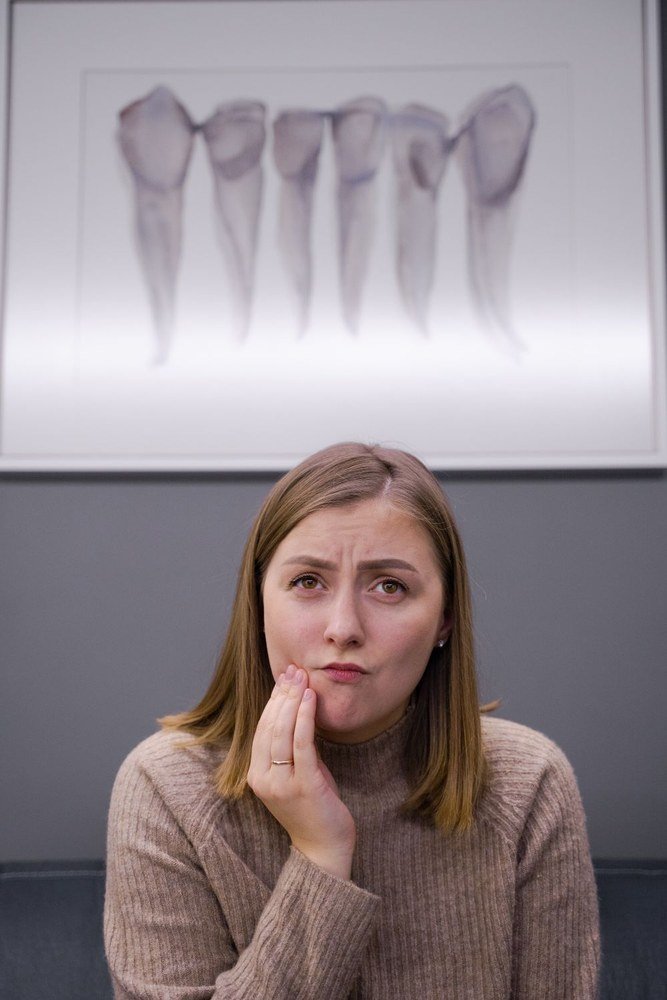
When we think about dental health, we often associate it with pain: cavities that bother us, bleeding gums, sensitivity to cold, or discomfort when chewing. However, the truth is that most dental problems begin silently. They don’t hurt, they’re not visible, and they don’t show obvious signs… until they’re already advanced.
That’s why early diagnosis is one of the most powerful tools to protect your smile and avoid more complex and costly treatments.
Why don’t dental problems hurt at the beginning?
Teeth and gums can develop disease without causing pain because:
- Cavities start by affecting only the enamel, a layer without nerve endings.
- Periodontal disease begins as mild inflammation, with no discomfort.
- Microscopic fractures don’t always cause immediate sensitivity.
- Infections can progress “inward” before showing external symptoms.
When pain appears, the damage is usually already deep: the cavity has reached the nerve, the gum has lost bone support, or the infection has spread.
What problems can be detected before symptoms appear?
Early diagnosis makes it possible to identify:
1. Early‑stage cavities
Small lesions that don’t yet require invasive treatment. Many can be stopped or treated with minimally invasive fillings.
2. Periodontal disease
Inflamed gums, early bone loss, or plaque buildup below the gumline. Detecting it early prevents tooth mobility and tooth loss.
3. Bruxism
Dental wear, muscle tension, and microfractures that may go unnoticed until they cause pain or severe damage.
4. Bite problems
Misalignments that affect function, wear, and aesthetics, even without pain.
5. Oral lesions
Spots, ulcers, or tissue changes that may require monitoring or biopsy.
Technology that makes precise diagnosis possible
Today, clinics like Dental Artistry use advanced tools that reveal what the human eye can’t detect:
- Digital X‑rays: lower radiation and higher clarity
- 3D scans (CBCT): ideal for evaluating bone, roots, and internal structures
- Intraoral cameras: show patients what’s happening in their mouth in real time
- Digital analysis software: allows millimeter‑level treatment planning
The combination of professional expertise + technology is what makes it possible to detect problems before they hurt.
Benefits of early diagnosis
- Prevents future pain
- Reduces costs by avoiding complex treatments
- Preserves more natural tooth structure
- Improves overall health, since the mouth is connected to the rest of the body
- Allows faster, less invasive treatments
- Increases the longevity of your teeth and gums
Prevention will always be more effective than correction.
How often should I get a dental checkup?
The general recommendation is every 6 months, although some patients may need more frequent visits depending on their periodontal history, recurrent cavities, or previous treatments.
Even if you don’t feel pain, a professional exam can reveal changes you may not notice.
Conclusion: Your smile deserves attention before something hurts
Early diagnosis not only prevents discomfort it protects your health, your time, and your investment. At Dental Artistry, our approach is preventive: detect, educate, and act before problems progress.
Your smile is with you every day. Taking care of it early is the best decision.
Posted in Oral health
More from the practice

Gum Health: The Invisible Pillar of a Healthy Smile
A beautiful smile isn’t just about straight or white teeth. It’s built on the often-overlooked foundation of healthy gums. At Dental Artistry of Orlando, we understand that healthy gums support your teeth,…
Read article
What Does a Professional Dental Cleaning Really Include (and Why Should You Get One Every 6 Months)?
Many patients tell us during their visit: “I brush my teeth every day… do I really need a professional cleaning?” The answer is yes, absolutely. Brushing at home is important, but a professional dental…
Read article
Orthodontics for Adults: It’s Never Too Late to Straighten Your Smile
Orthodontics for Adults: It’s Never Too Late to Straighten Your Smile The idea that orthodontics is “only for children” has long been left behind. Today, thousands of adults in the United States are choosing…
Read article